Cross-Border Payments in Nigeria: Why It’s Still So Hard
But if youâÂÂve ever tried to send or receive money from abroad, you know the reality is very different.
From delays to hidden charges, cross-border payments in Nigeria can feel unnecessarily complicated, especially in a world where everything else is instant.
So whatâÂÂs really going on?
What Are Cross-Border Payments in Nigeria?
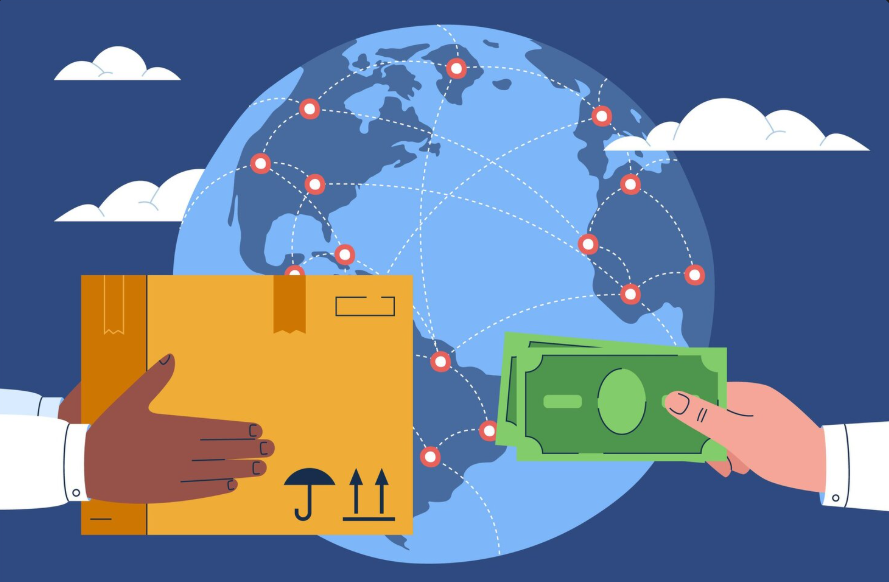
Cross-border payments in Nigeria refer to sending or receiving money between Nigeria and other countries.
This includes:
- Freelancers getting paid by international clients
- Businesses paying overseas suppliers
- Families sending money across borders
As more Nigerians work, earn, and trade globally, cross-border payments are becoming a daily necessity.
Why Cross-Border Payments in Nigeria Are Still a Problem
Despite growing demand, cross-border payments in Nigeria still come with several challenges.
1. Slow Processing Times

One major issue with cross-border payments in Nigeria is speed.
Traditional bank transfers can take 3 to 5 business daysâÂÂsometimes longer.
In todayâÂÂs fast-paced digital world, that delay can be frustrating and costly.
2. High and Hidden Fees
Another challenge is cost.

Many cross-border payments in Nigeria include multiple charges such as:
- Transfer fees
- Receiving bank fees
- Processing costs
- Exchange rate markups
These fees are not always clear upfront, making it difficult to know exactly how much will be received.
3. Poor Exchange Rates
Exchange rates play a huge role in cross-border payments in Nigeria.
Unfortunately, most traditional providers donâÂÂt offer the real market rate. Instead, they add a margin â often a hidden FX spread that costs more than the transfer fee itself â which reduces the final amount received.
Over time, this can lead to significant lossesâÂÂespecially for freelancers and businesses handling frequent transactions.
4. Lack of Transparency
Another issue affecting cross-border payments in Nigeria is the lack of visibility.
After sending money, users often:
- CanâÂÂt track transactions in real time
- DonâÂÂt know when funds will arrive
- Have limited control over the process
This uncertainty creates stress for both senders and recipients.
Why Cross-Border Payments in Nigeria Matter Today
Cross-border payments in Nigeria are more important now than ever.
HereâÂÂs why:
- More Nigerians are working remotely for global companies
- Digital businesses are selling to international customers
- Creators are earning from platforms outside Nigeria
In short, money is no longer local, itâÂÂs global.
But the systems supporting cross-border payments in Nigeria are still evolving.
The Future of Cross-Border Payments in Nigeria
The good news is that change is already happening — from bank transfers to stablecoins quietly rewiring African remittances.
Modern fintech solutions are improving cross-border payments in Nigeria by making them:
- Faster
- More transparent
- More affordable
- Easier to use
These platforms remove unnecessary intermediaries and give users better control over their money.
How Transa Is Improving Cross-Border Payments in Nigeria
At Transa, we believe cross-border payments in Nigeria should work better for everyday users. New here? Start with our practical guide to your first cross-border transfer.

Our goal is simple:
Make sending and receiving money across borders as easy as possible.
WeâÂÂre building solutions that help users:
- Avoid hidden fees
- Enjoy faster transactions
- Get more clarity and control
Because moving money globally shouldnâÂÂt feel complicated.
Final Thoughts on Cross-Border Payments in Nigeria
Cross-border payments in Nigeria are still far from perfect.
But they are improving.
As technology continues to evolve, users can expect a future where international transactions are:
- Faster
- Cheaper
- More transparent
And most importantly, stress-free.
WhatâÂÂs Next?
WeâÂÂll be sharing more practical insights on cross-border payments in Nigeria, including how freelancers and businesses can receive international payments with ease.
Stay connected and explore smarter ways to move your money globally.